
Supplier Monitoring Checklist for Ecommerce Operators
A supplier monitoring checklist gives ecommerce operators a daily routine for stock, price, source health, mapping, and review decisions.
Read article →
Zelluvo Journal
Clear, operator-friendly advice for preventing overselling, protecting margins, and building safer monitoring workflows.
A supplier monitoring checklist gives ecommerce operators a daily routine for stock, price, source health, mapping, and review decisions.
Read article →
The best multichannel inventory management software depends on your stock source, supplier risk, SKU complexity, and need for approval-first workflows.
Read article →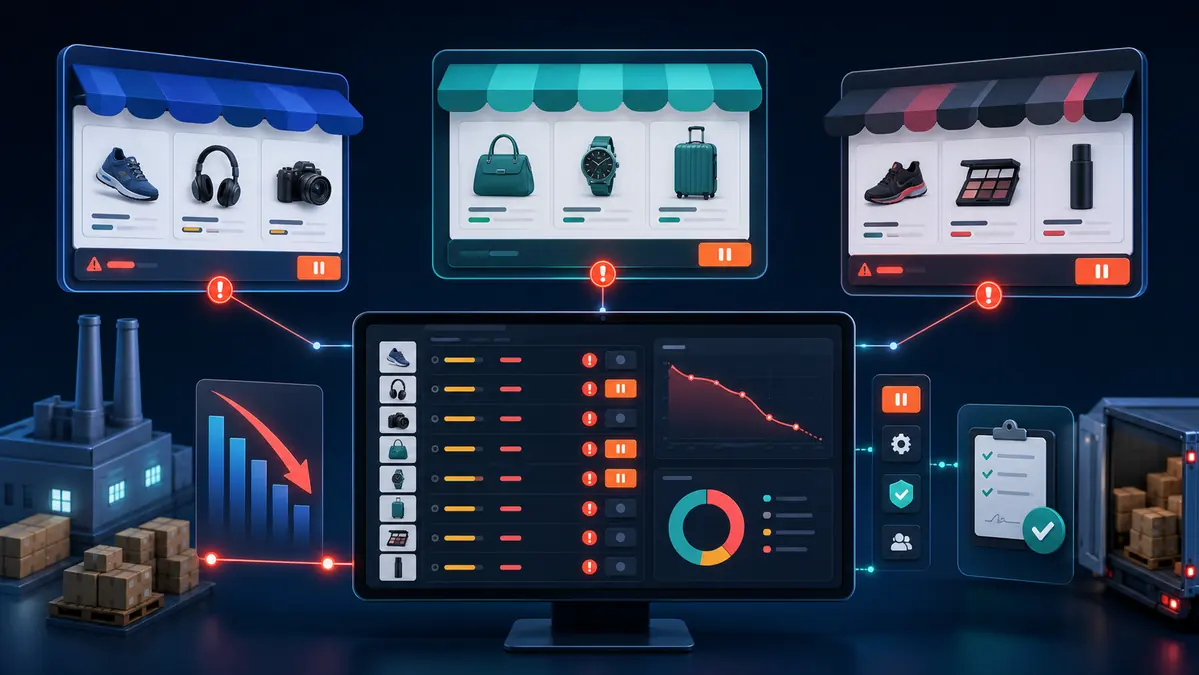
Preventing overselling across channels requires more than syncing numbers. Sellers need supplier visibility, SKU mapping, buffers, and review rules.
Read article →
An inventory buffer strategy helps sellers hold back risky stock, reduce overselling, and decide when low-stock products need review.
Read article →
SKU mapping software gives ecommerce sellers the source relationships needed for safer stock monitoring, price alerts, and approval-first automation.
Read article →
Ecommerce price monitoring software should connect supplier cost changes to margin rules, SKU mapping, and approval-first pricing decisions.
Read article →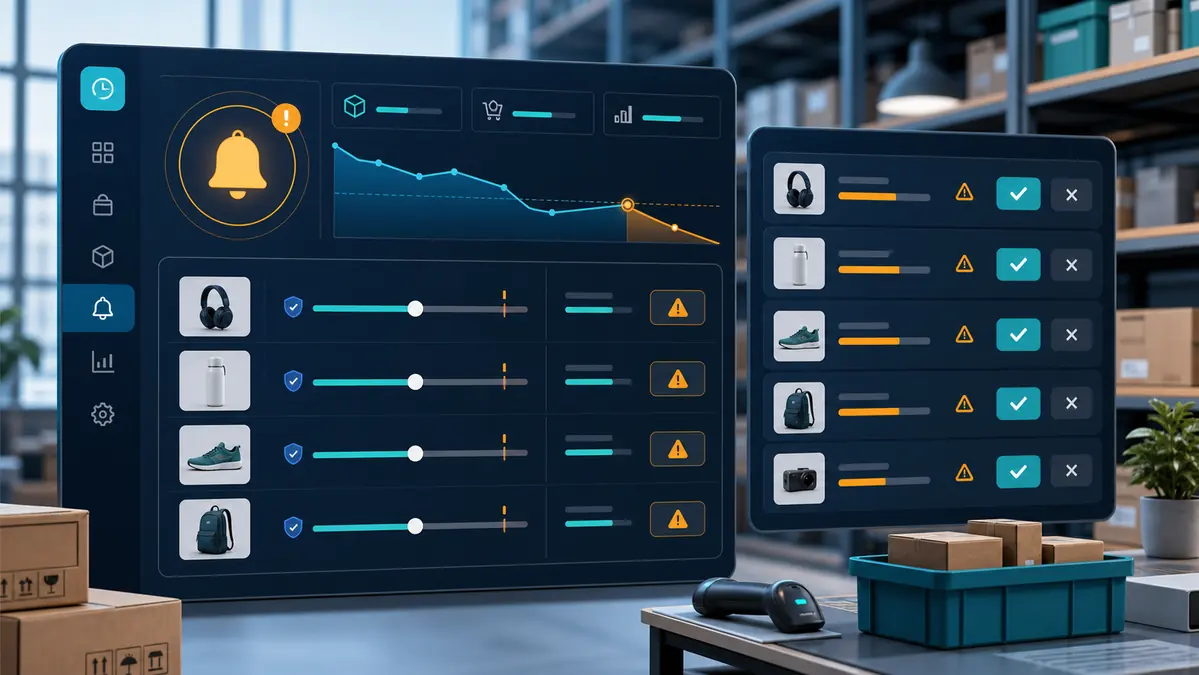
Low stock alert software should do more than send warnings. It should turn thresholds, buffers, and supplier risk into a clear daily review queue.
Read article →
Dropshipping inventory management software should help sellers see supplier stock, source failures, margin risk, and channel exposure before customers are affected.
Read article →
Supplier stock monitoring software is not just an alert. Sellers need source health, low-stock rules, mapping confidence, and a clear review queue.
Read article →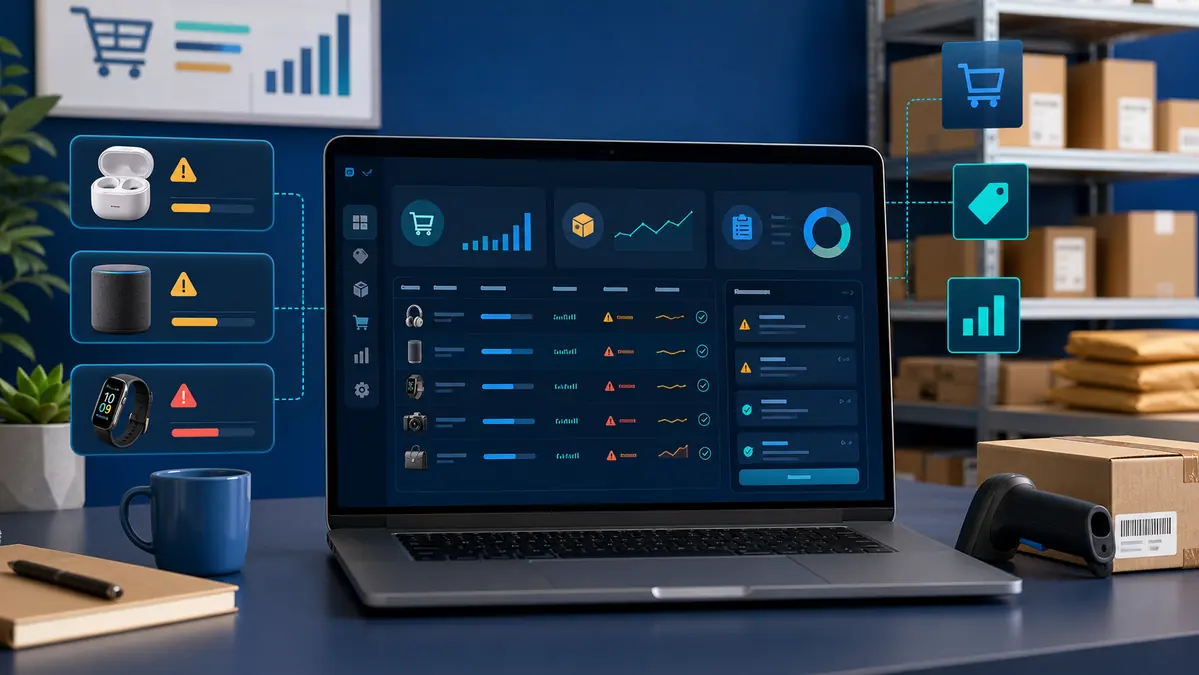
eBay stock monitoring software helps sellers catch stockouts before they become cancellations. This guide explains the daily workflow, rules, alerts, and review queue that make it safer.
Read article →
Profit margin protection starts before the sale. Learn how supplier cost monitoring, pricing rules, and approval-first workflows help sellers catch margin risk early.
Read article →
SKU mapping is the foundation of safe ecommerce automation. Learn how to connect listings, variations, bundles, and supplier sources before stock or price updates go live.
Read article →
Low-stock alerts and inventory buffers help sellers reduce overselling risk without hiding too much available stock. Here is how to set practical thresholds.
Read article →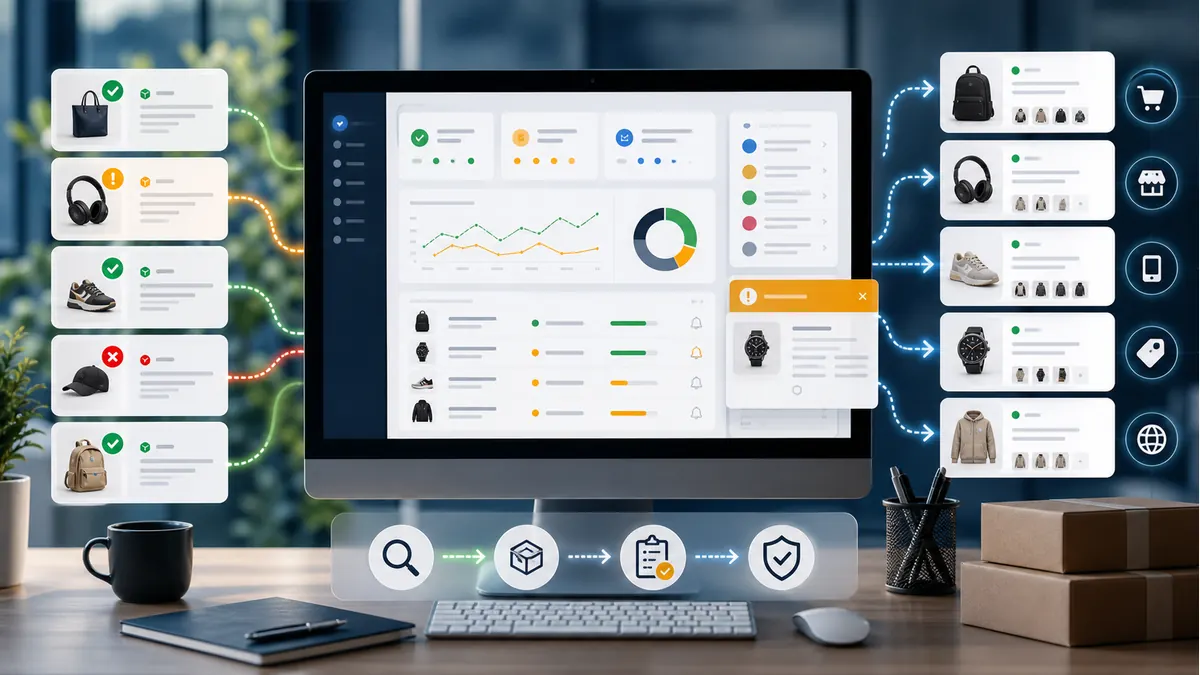
Dropshipping sellers do not control supplier inventory, so source monitoring matters. Learn how to track supplier stock, failed checks, variation risk, and out-of-stock alerts.
Read article →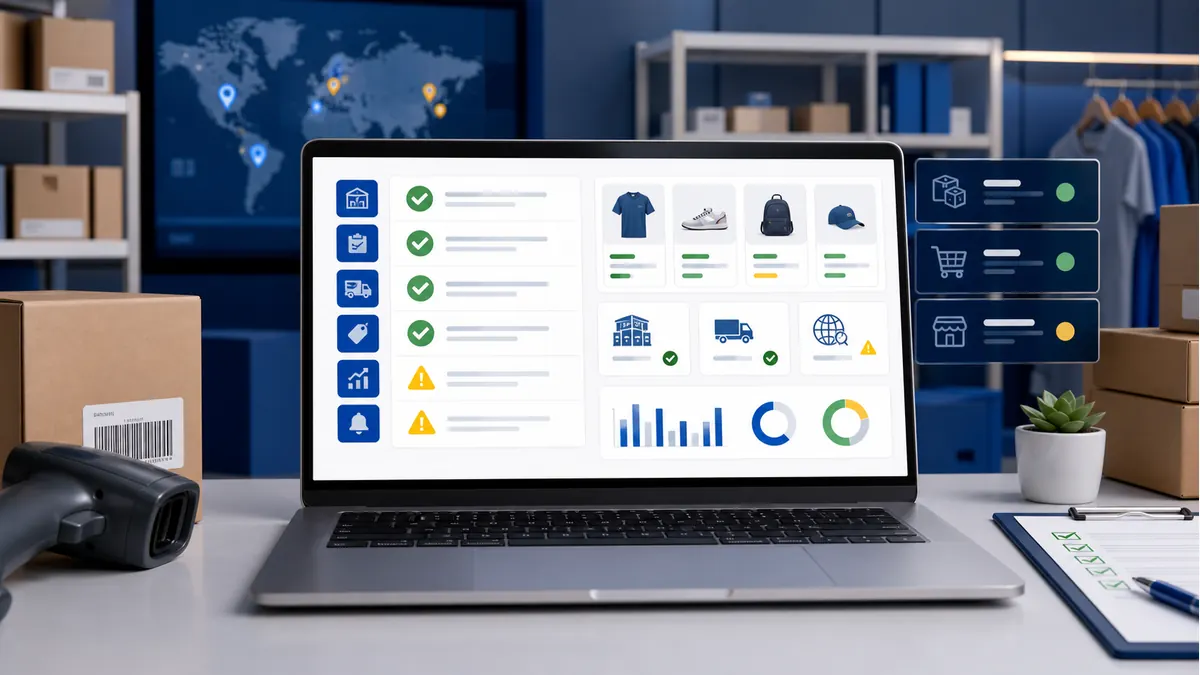
A practical ecommerce stock monitoring checklist for sellers who need to catch supplier changes, mapping gaps, low-stock products, and overselling risk before orders go wrong.
Read article →
The best ecommerce inventory software is not always the biggest suite. Learn how to choose based on stock risk, supplier visibility, price monitoring, and the workflows your team actually needs.
Read article →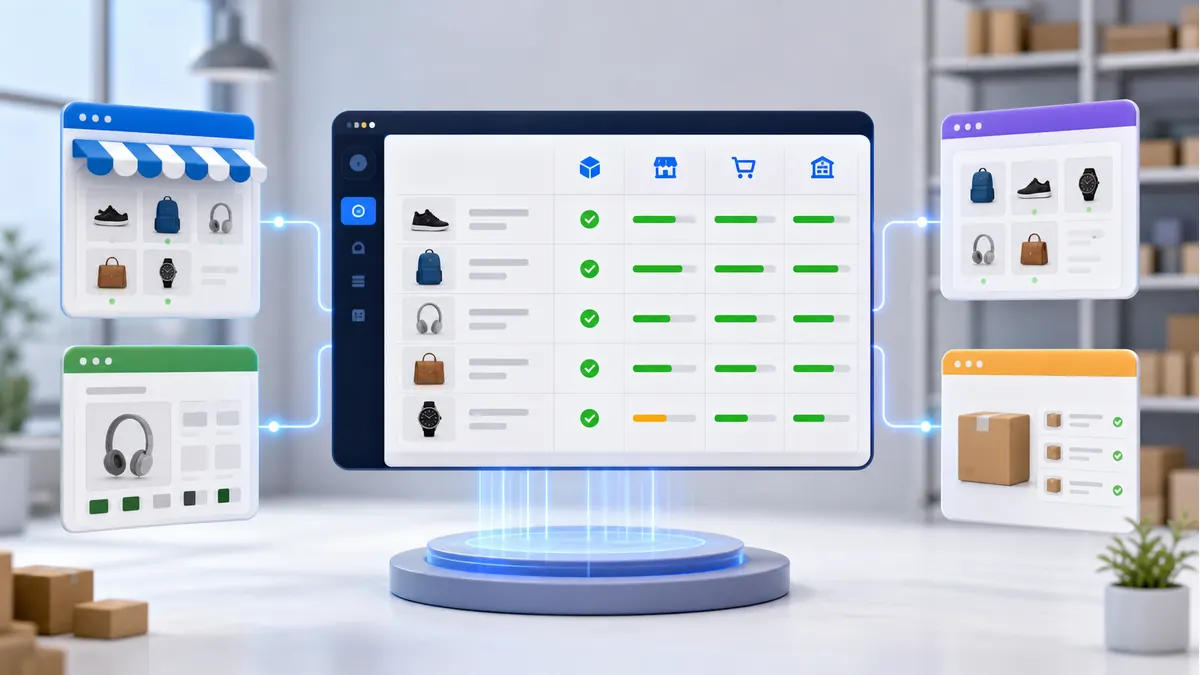
Selling across more than one channel creates stock accuracy problems fast. This guide explains how to monitor supplier sources, map SKUs, and keep inventory workflows under control.
Read article →
Full automation is not always the safest first step. Approval-first workflows let ecommerce sellers catch supplier changes quickly while still reviewing stock and price updates before they go live.
Read article →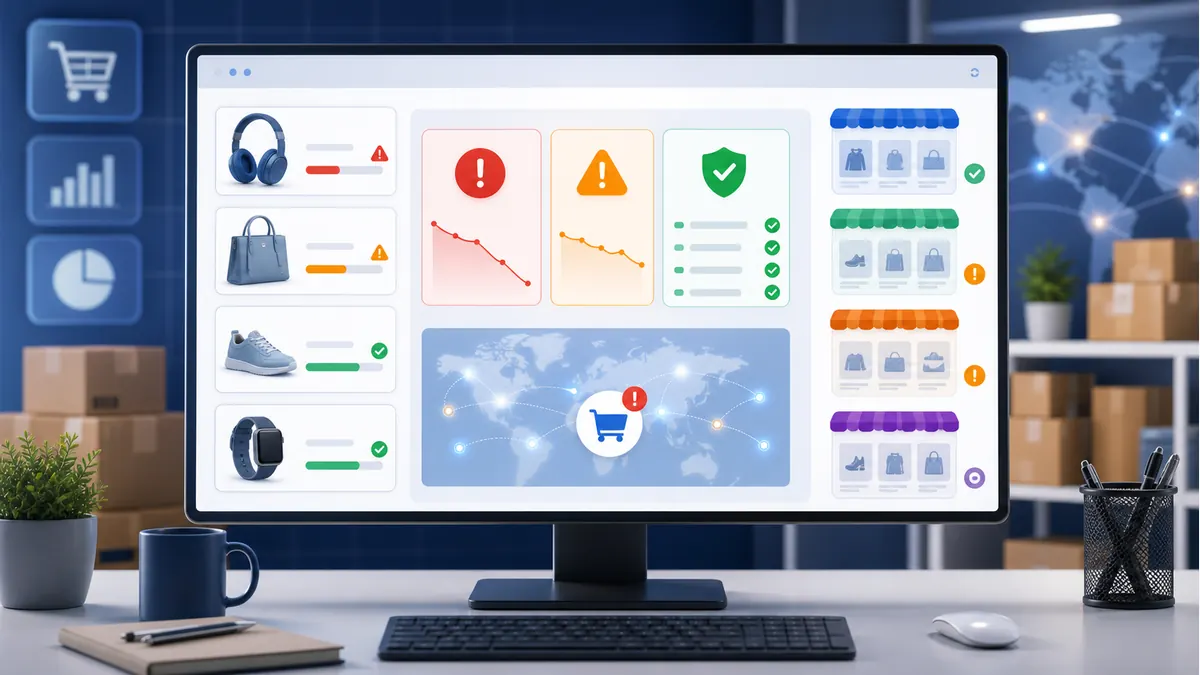
Overselling usually starts before the order arrives. Learn how to monitor supplier stock, build safer rules, and catch out-of-stock risk before customers buy products you cannot fulfill.
Read article →
Supplier prices change quietly. This guide explains how ecommerce sellers can use price monitoring software to catch cost changes, protect margin, and review updates before profit disappears.
Read article →